
Volunteering
A peer-led community where your skills, passion and lived experience help create safe, supportive spaces across everything we do.
Who We Are
At the Otago Mental Health Support Trust (OMHST), we believe that shared lived experience, practical community support, and genuine human connection are the strongest foundations for hope, healing and recovery.
We are a peer-led charity based in Ōtepoti Dunedin. Everything we do, from our peer support and advocacy services, to our after-hours crisis recovery cafés, food security support, newsletters and community groups, is grounded in the understanding that nobody should face hard times, mental distress, or addiction recovery alone.
Our work is non-clinical, compassionate and rooted in manaakitanga (hospitality and care), aroha (compassion) and respect. We don't aim to "fix" anyone. Instead, we build an interconnected web of support where tangata whaiora can pause, breathe, find connection and navigate their own hauora journey at their own pace.

What We Are Looking For
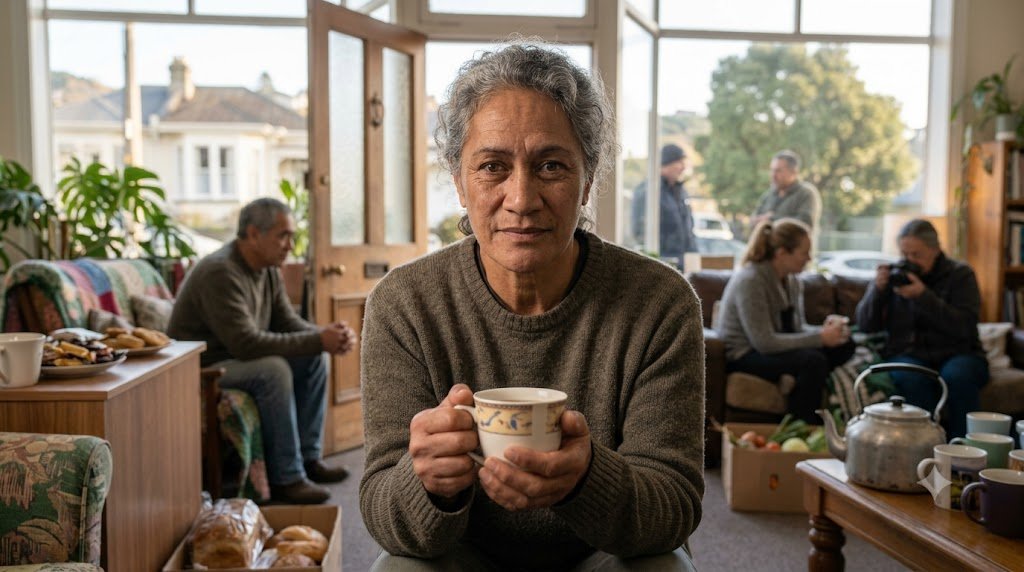
Whether you have personal lived experience of mental distress, addiction or recovery, or you simply bring a strong heart for community and a willingness to lend a hand, there is a place for you here.
You don't need formal qualifications or previous charity experience. What matters most is your reliability, your empathy and the heart you bring to our kaupapa.
We look for volunteers who bring:
A personal understanding of mental health or addiction challenges, or a deep respect for those navigating their recovery journey.
A natural ability to offer judgment-free support, seeing the person first, not the struggle.
Whether it’s driving, desktop publishing, organising, hosting or facilitating, a commitment to showing up and helping out.
Comfort with meeting people where they are at, keeping personal stories confidential, and upholding safety and agency for everyone.
A commitment to walking alongside tangata whaiora with cultural safety and respect for all pathways to wellbeing.
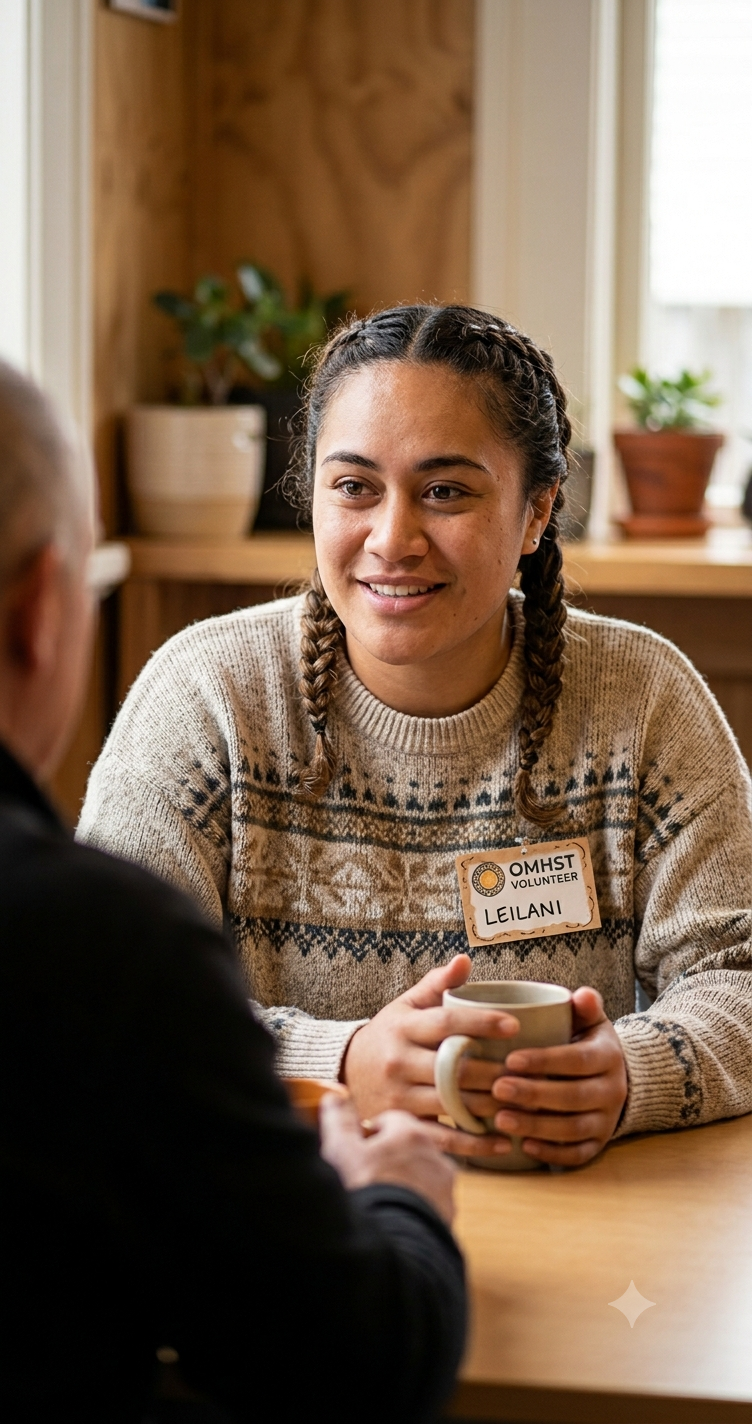
Turning personal journeys into hope for others across Otago.
How You Might Help
It takes a wide variety of hands and talents to keep OMHST running warmly and smoothly. You can choose to support one specific area or lend a hand across multiple roles depending on your interests and availability:
Peer Hospitality and Recovery Cafés
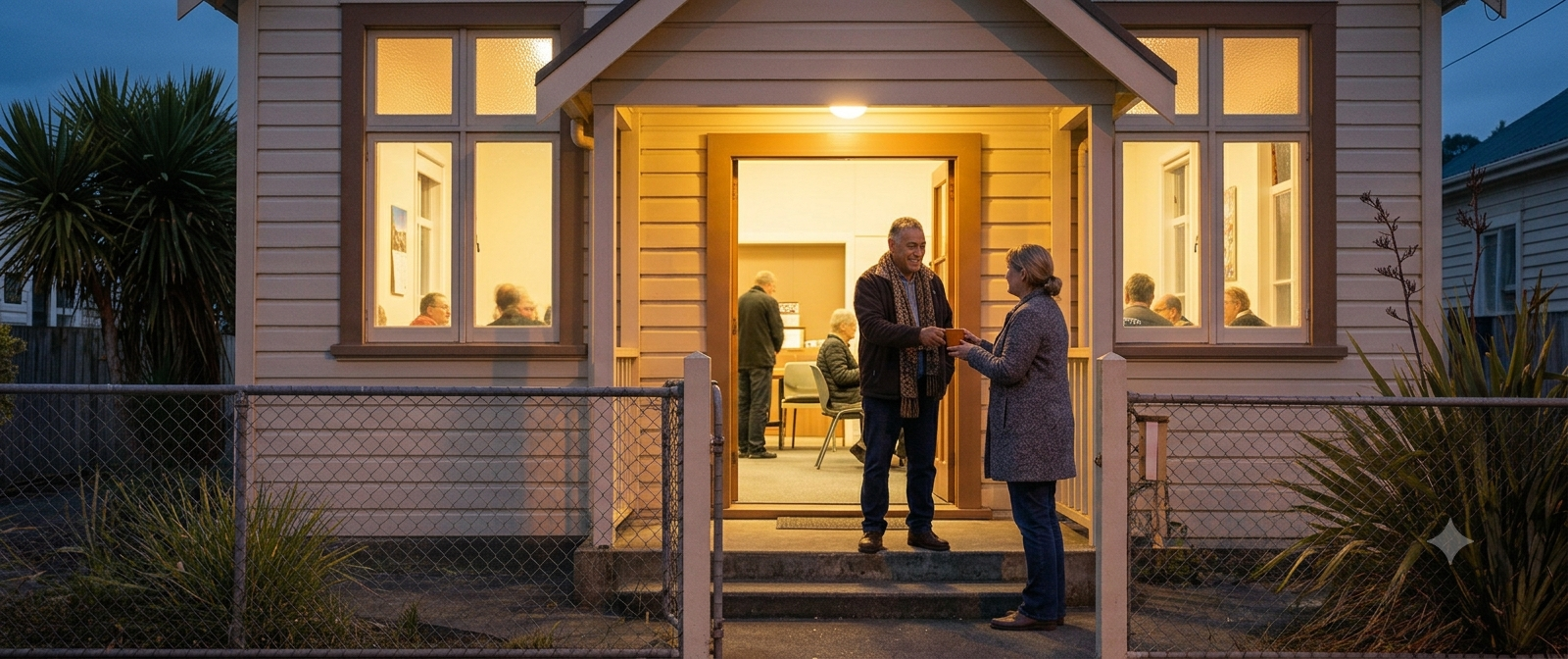
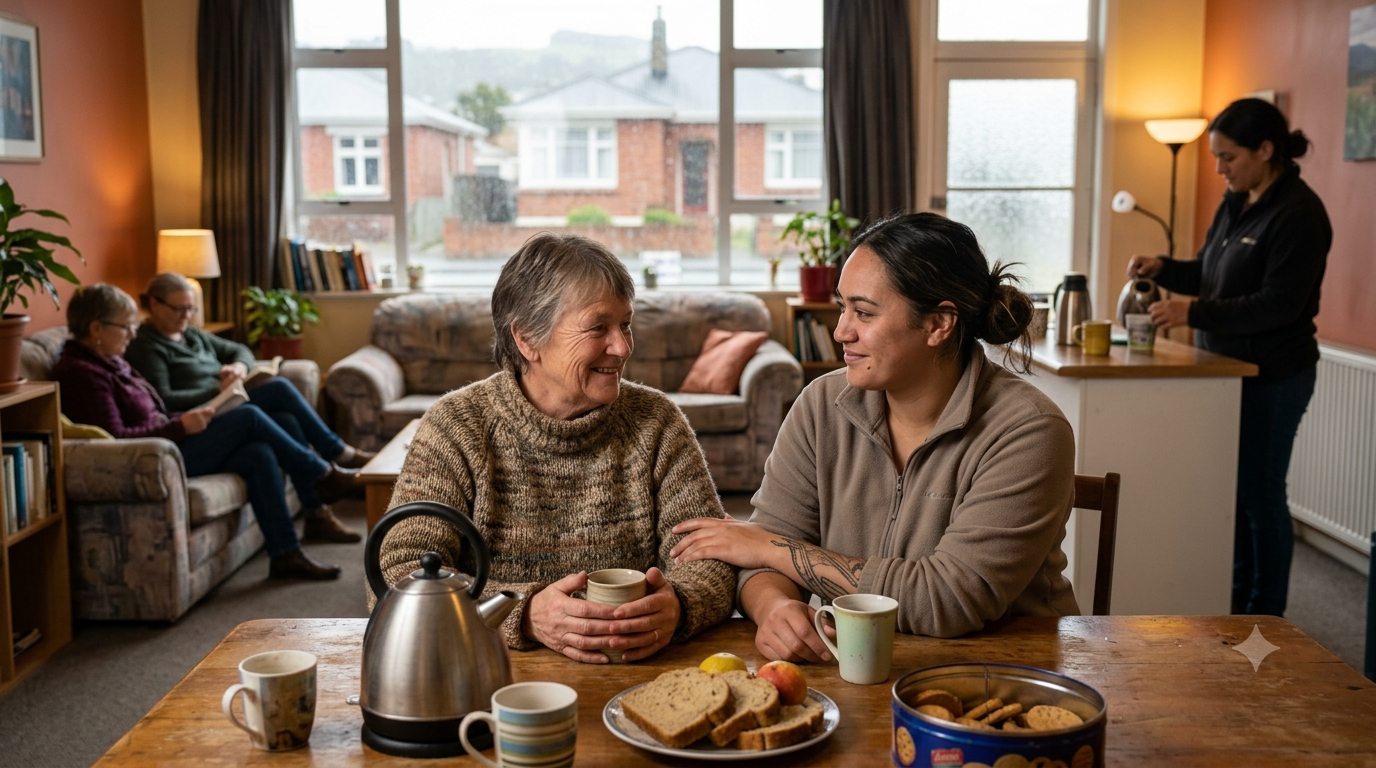
Greeting tangata whaiora at the door, making hot drinks, offering snacks and creating an inviting atmosphere where people feel at home from the start.
Helping set up comfortable seating, stock supplies and pack down at our after-hours venues in North East Valley and South Dunedin.
Practical Provisions and Community Care
Driving to pick up donated kai or essential supplies from local food hubs, supermarkets or bakeries, and delivering them to our centers.
Group Co-Facilitation and Peer Connection
Partnering with a peer support worker to support, set up or lead interest-based peer groups.
Assisting with setup, registration, catering and welcoming attendees for OMHST community events.
Communications, Creative and Admin Support
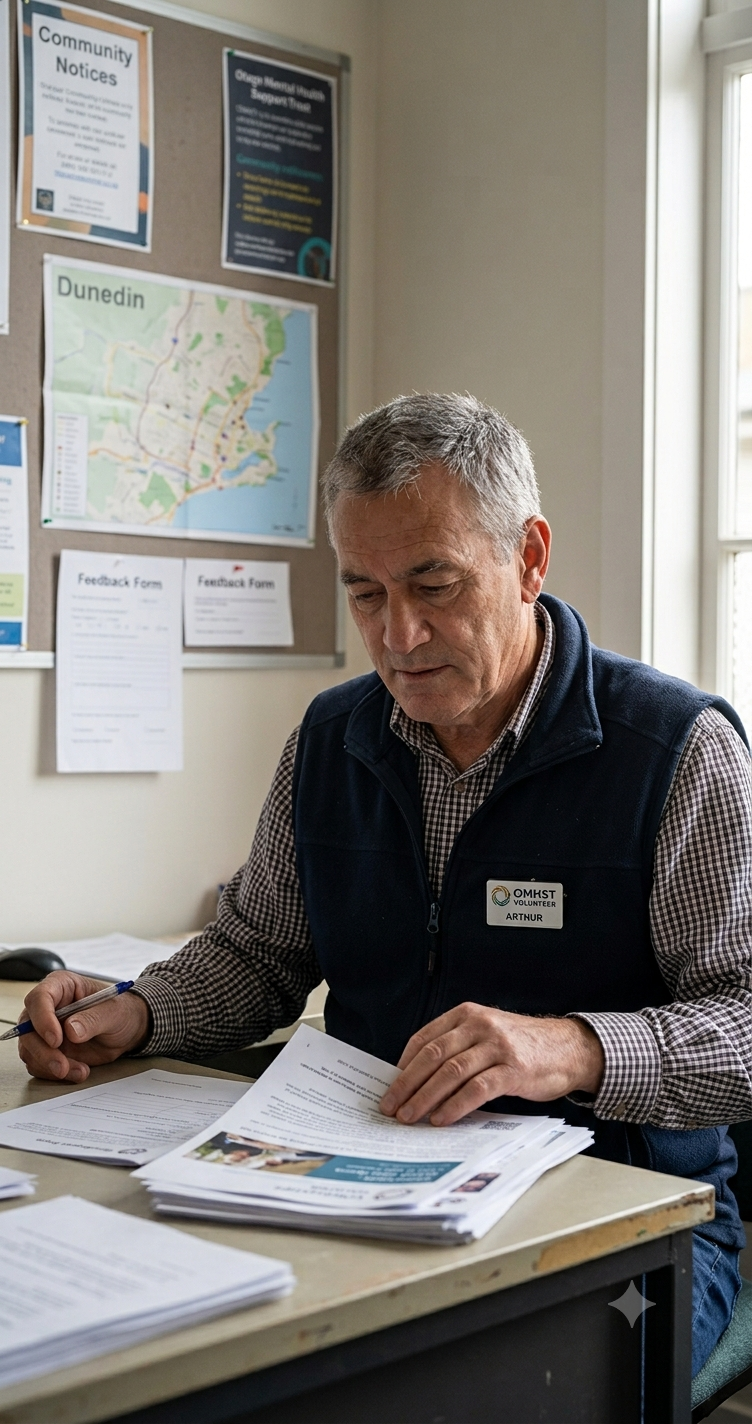
Helping layout, format or proofread our quarterly newsletter to keep our community informed and inspired.
Writing short articles, sharing peer recovery stories or taking photographs at open events.
Assisting with light administrative tasks, preparing information packs or updating local community resource folders.
Standing side by side so no one in our community has to stand alone.
What We Are Looking For
Connection, practical support and shared lived experience are the strongest foundations for recovery and hope.
Whether your gift is making a great cuppa, driving a delivery run, designing layout pages or sitting quietly with someone in distress, your contribution matters deeply.
You are never expected to diagnose, assess or manage crisis alone. You are backed by our experienced team in a non-clinical environment.
We walk alongside our volunteers, providing orientation, training, peer mentoring and a caring team environment that values your wellbeing first.



When This Might Be Required
We offer flexible volunteer options designed to fit around your family, work, study and your other commitments.
Daytime Hours (Monday – Friday, 9am – 4pm): Food supply collection, newsletter layout, office/admin support, kai pantry packing and daytime peer groups at Dunedin Community House.
After-Hours Crisis Recovery Cafés (Evenings and Weekends): Shifts running alongside café hours in North East Valley and South Dunedin on Mondays, Tuesdays, Fridays and Saturdays from 5:30pm to 10:00pm.
Occasional / Project-Based: Newsletter design sessions (once every 3 months), seasonal events or special community workshops.
Frequency: Most volunteers contribute between 1 to 4 hours per week or fortnight. We value consistency, but we always encourage you to prioritise your own commitments, health and self-care first.
Initial Enquiry and Application
Complete a short online volunteer application form with a brief note detailing your background, interest in mental health or peer support, and availability.
The volunteer coordinator reviews your application to see if your skills, availability, and lived experience align with current community needs.
Informal Chat and Alignment Interview
Meet with our volunteer coordinator in person, via phone or online for a casual, two-way conversation.
Discuss your motivations, values, and lived experience in a comfortable, non-judgmental environment.
Explore available volunteer opportunities (e.g., Crisis Recovery Café host, peer group support, event assistance).
Answer any questions you have about the Trust's non-clinical, peer-led philosophy.
Safety Vetting and Reference Checks
Because volunteers work with vulnerable individuals (tangata whaiora), you will need to complete a standard New Zealand Police Vetting consent form.
Provide contact details for 1–2 character or professional referees who can speak to your reliability and interpersonal skills.
Orientation and Core Training
Learn about OMHST's history, safety policies, privacy and confidentiality protocols, and values.
Role-Specific Training: Complete role-specific preparation, which may include:
Boundaries and self-care strategies in peer support.
De-escalation and active listening basics.
Operational procedures for specific settings (e.g., Recovery Café duties or group facilitation guidelines).
Shadowing and First Shift
Pair up with an experienced staff member or senior volunteer during your initial shifts.
Observe real interactions, ask questions in real time and build confidence before taking on independent duties.
Ongoing Support and Peer Supervision
Benefit from ongoing supervision and catch-ups with the team leader to discuss workload, personal well-being and any challenges.
Access opportunities for further workshops and community training sessions to build your skills over time.